
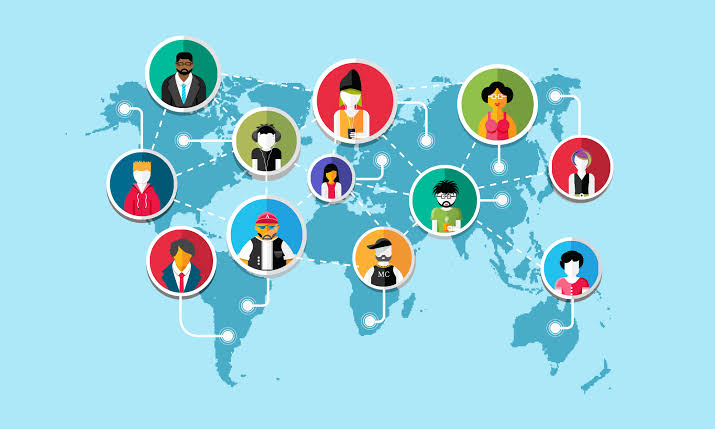
Language is more than a way to exchange information. It carries traditions, values, experiences, and ideas that help people understand the world around them. When we learn a new language or communicate with someone from a different background, we also discover new ways of thinking and expressing everyday experiences. This is why language plays such an important role in understanding different cultures. It helps people look beyond familiar customs and develop a greater appreciation for the diversity of human life.
One of the clearest connections between language and culture can be found in everyday communication. Different languages have their own expressions, greetings, and ways of showing respect. For example, in Japanese, the choice of words often changes depending on the relationship between speakers and the social situation. A conversation with a close friend may sound very different from a conversation with a teacher or an older person. Understanding these differences helps language learners recognise the importance of social relationships and cultural expectations.
Language also influences how people describe their experiences. Some words carry meanings that are closely connected to a particular community's history, environment, or traditions. A direct translation may not always communicate the full meaning of an expression. For example, a traditional greeting may represent more than simply saying hello. It may express respect, warmth, hospitality, or a sense of belonging. Learning the background of such expressions helps people understand the feelings and ideas behind the words.
Another important role of language is its ability to preserve cultural knowledge. Stories, songs, poems, historical accounts, and traditional sayings often pass from one generation to another through language. They provide information about how communities have lived, what they value, and how they understand important events. When people learn another language, they gain access to these cultural resources in their original form. Reading a story or listening to a traditional song can reveal details that may be difficult to understand through translation alone.
Language learning also encourages people to question their own assumptions. Individuals usually understand the world through the customs and experiences they know best. When they encounter unfamiliar expressions or communication styles, they may initially find them confusing. However, asking questions and learning about the reasons behind these differences can lead to greater cultural awareness. For instance, some cultures may value direct communication, while others may prefer a more indirect approach to avoid discomfort or disagreement. Neither approach is automatically better; each reflects different social expectations.
The exchange of knowledge becomes easier when people make an effort to understand one another's languages. In education, international students and teachers can share ideas, research, and experiences across cultural boundaries. In workplaces, language skills can support cooperation between colleagues from different countries. Even during travel, learning a few local expressions can make conversations more welcoming and meaningful. These interactions create opportunities to build relationships and learn from perspectives that may be different from our own.
However, understanding a culture requires more than learning its vocabulary and grammar. Language learners should also pay attention to context, tone, gestures, and the experiences of the people using that language. It is equally important to avoid assuming that everyone from the same country communicates in exactly the same way. Cultures are diverse and continue to change over time.
Ultimately, language provides a valuable connection between communication and cultural understanding. It allows people to explore different perspectives, preserve shared knowledge, and build meaningful relationships. By approaching unfamiliar languages with patience and curiosity, we can develop a deeper appreciation of the many ways people express their identities and experience the world.