
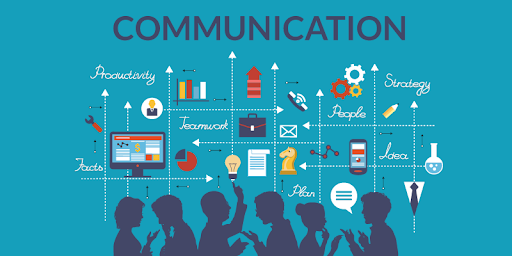
Communication is part of almost everything people do. From having a conversation with a family member to sharing ideas at work, the ability to express thoughts and understand others influences daily experiences. Good communication is not limited to speaking clearly. It also involves listening, interpreting information, asking questions, and recognising how different people express themselves. These skills help build relationships, reduce misunderstandings, and make it easier to exchange knowledge across different situations and cultures.
In everyday life, communication helps people develop stronger relationships. Family members and friends use conversations to share experiences, discuss problems, and understand each other's feelings. Sometimes, the words people use do not fully explain what they mean. Tone of voice, facial expressions, and body language can also provide important information. Listening carefully and paying attention to these details can help people respond more thoughtfully. It also creates an environment where individuals feel comfortable sharing their opinions.
Communication is equally important in education. Students need to ask questions, explain their ideas, participate in discussions, and understand instructions. A student who is unsure about a lesson can improve their understanding by asking for clarification. Similarly, explaining a difficult topic to another person can help strengthen their own knowledge. Learning becomes more effective when students exchange ideas rather than simply receive information. Teachers also depend on clear communication to make complex subjects easier to understand.
In professional environments, communication supports teamwork and helps people complete tasks effectively. Employees often work with colleagues who have different responsibilities, experiences, and areas of knowledge. Clear instructions and regular discussions help ensure that everyone understands their role. When problems arise, the ability to explain concerns and consider different viewpoints can prevent unnecessary conflict. Good communication also helps people present ideas, negotiate solutions, and build professional relationships.
Language and culture add another important dimension to communication. People from different cultural backgrounds may use words, gestures, and expressions in different ways. A greeting that is common in one country may be unfamiliar in another. Even the same phrase can carry different meanings depending on the situation. Learning another language can therefore provide more than vocabulary and grammar. It can introduce people to new traditions, social expectations, and ways of understanding everyday life. Cultural curiosity helps individuals approach these differences with respect instead of making quick assumptions.
Communication also plays a major role in the exchange of knowledge across societies. Books, educational programmes, news reports, digital platforms, and public discussions allow information to reach people in different parts of the world. However, receiving information is only one part of the process. People must also interpret what they read or hear, consider its meaning, and decide whether it is reliable. Asking questions and comparing different perspectives can help prevent misunderstandings and encourage more informed opinions.
Developing communication skills requires regular practice. Reading, writing, participating in conversations, learning new languages, and listening to people with different experiences can all improve the way individuals express and understand ideas. It is also important to recognise that effective communication does not mean speaking all the time. Sometimes, giving someone the opportunity to explain their thoughts is more valuable than immediately offering a response.
Communication connects people across families, classrooms, workplaces, and cultures. It allows individuals to share knowledge, understand different perspectives, and build meaningful relationships. As societies become more connected, these abilities become increasingly valuable. By learning to express ideas clearly, listen carefully, and respect cultural differences, people can communicate more confidently and participate more effectively in the world around them.