
Mensagens do blog por jack nic
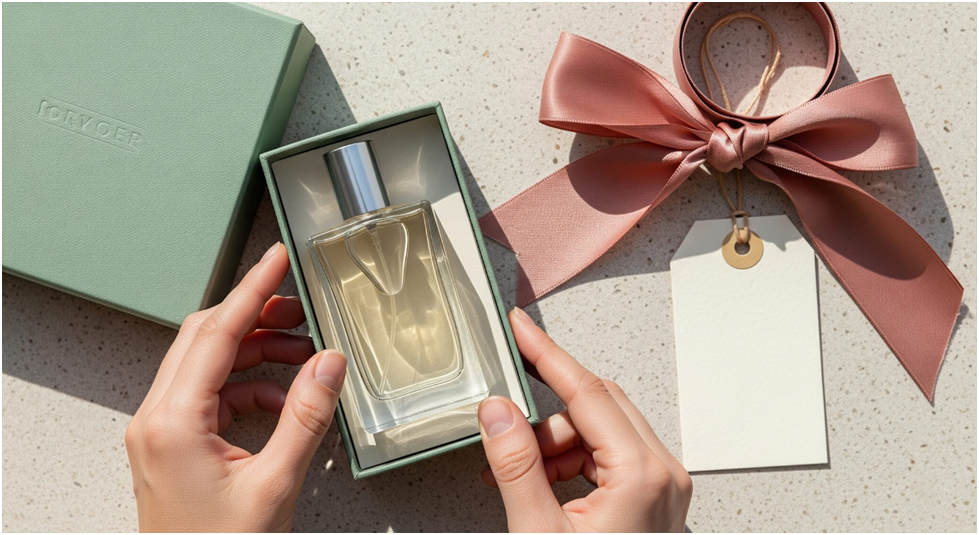
Choosing a fragrance for another person is one of the most personal and thoughtful gestures one can make. More than a simple object, a perfume is an intimate expression, a sensory accessory that becomes part of the wearer's identity. To select a scent for someone else requires a deep contemplation of their personality, tastes, and essence, making the gift a true reflection of knowing and admiration.
The power of this gesture is rooted in the profound link between the sense of smell and the brain's centers for memory and emotion. Of all our senses, smell is the most potent trigger for memory. When a fragrance is chosen with care, it does not merely serve the present; it becomes a vessel for future nostalgia, inextricably linked with the recipient, the occasion, and the giver. This guide is designed to navigate the complexities of this process, transforming the potentially daunting task of selecting a perfume into an artful and rewarding experience.
Part 1: Decoding the Language of Scent: A Perfumery Primer
To select a fragrance with confidence, you must first become fluent in its language. Understanding the fundamental principles of fragrance structure, classification, and concentration is the key to making an informed and inspired choice.
The Olfactory Architecture: Understanding the Fragrance Pyramid
A perfume is not a static entity; it is a dynamic composition designed to evolve on the skin over time. This evolution is best understood through the framework of the fragrance pyramid, a structure that illustrates the different layers of scents, known as "notes," based on their volatility.
- Top Notes (The First Impression)
Often called "head notes," these are the scents perceived immediately upon application. Composed of small, light molecules that evaporate quickly, their purpose is to create the initial impression. While fleeting, typically lasting between 5 and 30 minutes, they are critical. These notes are generally described as "fresh," "sharp," or "assertive" and commonly include bright scents such as citrus (lemon, bergamot) and light florals (rose, lavender).
- Middle Notes (The Heart of the Fragrance)
As the top notes dissipate, the "heart notes" emerge, forming the main body and core character of the perfume. These notes are the most prominent once the fragrance has developed, constituting up to 70% of the overall scent. Lasting from 20 minutes to a few hours, the heart is typically more mellow and rounded, featuring full-bodied florals like jasmine, spices such as cinnamon, and rich fruits like pear.
- Base Notes (The Lasting Memory)
Also known as "soul notes" or the "dry-down," the base notes are the final and most enduring layer. Composed of large, heavy molecules that evaporate the slowest, they provide depth, warmth, and solidity. These notes are the scents that linger for hours on the skin and can remain for days on clothing. Common base notes are rich and deep, including woody scents like sandalwood, resins such as amber, and warm gourmand notes like vanilla and musk.
The Fragrance Wheel: Navigating the Four Core Scent Families
To simplify the vast world of scents, the industry classifies fragrances into olfactory families. The most prominent tool for this is the Fragrance Wheel, a circular diagram that illustrates the relationships between these families. Most people tend to gravitate toward one or two families repeatedly.
The four main families are:
- Floral: One of the most common families, Floral scents are primarily composed of notes derived from flowers. They can range from the scent of freshly cut flowers to soft, powdery bouquets. Common notes include rose, jasmine, orange blossom, and lily of the valley. Subfamilies include Fruity, Floral, and Soft Floral.
- Amber (formerly Oriental): This family encompasses rich, warm, sensual, and often "exotic" scents. It is characterized by notes of herbs, spices (like cinnamon and anise), vanilla, and opulent resins such as amber and myrrh. The terminology for this family has largely shifted in the industry from "Oriental" to "Amber" to be more culturally sensitive. Subfamilies include Soft Amber, Amber, and Woody Amber.
- Woody: This family is defined by warm, opulent, and earthy scents derived from woods and mosses. Common notes include the creamy warmth of sandalwood, the dry sharpness of cedarwood, and the rich earthiness of patchouli and vetiver. Subfamilies include Woods, Mossy Woods, and Dry Woods.
- Fresh: This family is characterized by bright, clean, and zesty aromas. It is defined by zingy citrus notes, aromatic herbs, and oceanic or "aquatic" accords. Common notes include bergamot, lemon, sea salt, and green notes. Subfamilies include Aromatic, Citrus, Water, and Green.
Strength, Sillage, & Longevity: Choosing the Right Concentration
The labels on a perfume bottle—such as Eau de Parfum or Eau de Toilette—denote the concentration of pure perfume oil within the solvent. This concentration is the primary factor determining a fragrance's intensity, longevity (how long it lasts), and sillage (the scent trail it leaves).
|
Perfume Type |
Oil Concentration (%) |
Typical Longevity |
Best For... |
|
Parfum / Extrait de Parfum |
20–40% |
Up to 24 hours |
Special occasions, evening wear, and those desiring a rich, lasting impression. |
|
Eau de Parfum (EDP) |
15–20% |
6–8+ hours |
Both evening and daytime wear; a popular choice for a long-lasting signature scent. |
|
Eau de Toilette (EDT) |
5–15% |
3–5 hours |
Everyday wear, office environments, and warmer weather due to its lighter presence. |
|
Eau de Cologne (EDC) |
2–5% |
2–3 hours |
A refreshing pick-me-up, post-shower application, or for those who prefer a very subtle scent. |
|
Eau Fraiche |
1–3% |
1–2 hours |
A quick freshening up; ideal for sensitive skin due to low alcohol and high water content. |
Part 2: The Art of Olfactory Investigation: Gifting Without Guesswork
Armed with a foundational knowledge of perfumery, the next step is to apply it through careful observation and research. This process can transform a potential guess into a highly informed and personal selection.
Playing Scent Detective: Identifying Their Current Fragrance Profile
The most reliable starting point is to identify the fragrances the recipient already owns and loves.
- The Subtle Inquiry: A simple compliment followed by a question, such as, "You smell wonderful today, what is that?" is an effective way to discover their signature scent.
- Observational Analysis: A discreet look at the perfume bottles on their vanity can be just as revealing. Taking a quick photo or jotting down the names provides the necessary intelligence.
- Leveraging Technology: Once a fragrance name is known, online databases like Fragrantica are invaluable. These platforms provide a detailed breakdown of a perfume's note pyramid and fragrance family. Specialized tools like The Perfume Society's "Find a Fragrance" use algorithms to suggest new perfumes with similar characteristics. The goal is not to repurchase what they already have, but to identify their preferred scent profile to find something new yet familiar.
Beyond the Bottle: Decoding Clues from Lifestyle and Aesthetic
A person's fragrance preference is an integral part of their broader personal aesthetic. By observing these seemingly unrelated clues, you can construct a "sensory mood board" for the recipient.
- Personality and Mood: An energetic, outgoing individual may be drawn to the Fresh family. A romantic, gentle personality often aligns with the Floral family. A bold, mysterious spirit might prefer the rich nature of the Amber family, while a sophisticated, grounded person may resonate with the elegance of the Woody family.
- Fashion and Style: An individual who favors luxurious fabrics like velvet might appreciate a rich Amber fragrance. Someone who prefers natural materials like cashmere or linen may be better suited to a Woody scent.
- Home and Culinary Tastes: The scents they choose for their living space (candles, diffusers) are direct indicators of their preferences. A person with a sweet tooth is a strong candidate for a Gourmand fragrance with notes of vanilla or caramel.
Scent & Sensibility: Matching Fragrance Families to Personality Archetypes
|
Archetype |
Key Traits |
Corresponding Fragrance Families |
Key Notes to Look For |
|
The Romantic Dreamer |
Gentle, feminine, affectionate, appreciative of beauty |
Floral, Soft Amber |
Rose, Peony, Jasmine, Vanilla, Powdery Musk |
|
The Energetic Optimist |
Outgoing, sociable, active, full of life |
Fresh (Citrus, Aromatic, Aquatic) |
Lemon, Bergamot, Sea Salt, Mint, Green Tea |
|
The Grounded Sophisticate |
Calm, reliable, elegant, connected to nature |
Woody, Chypre |
Sandalwood, Cedarwood, Vetiver, Oakmoss, Patchouli |
|
The Bold Sensualist |
Mysterious, confident, adventurous, passionate |
Amber (Spicy, Woody), Leather |
Vanilla, Amber, Spices, Incense, Oud, Tobacco |
Part 3: A Curated Compendium: Iconic & Bestselling Scents
To provide a practical starting point, this section offers a curated selection of iconic and bestselling fragrances, organized by the four main olfactory families.
The Floral Bouquet
- For Her:
- Chanel No. 5 (Chanel): The quintessential icon, a complex Floral Aldehyde. Key notes include Aldehydes, Ylang-Ylang, Iris, Jasmine, and Sandalwood.
- Marc Jacobs Daisy Love (Marc Jacobs): A modern, youthful floral. Key notes include sweet Cloudberries, delicate Daisy Tree Petals, and warm Cashmere Musk.
- For Him:
- Dior Homme Intense (Dior): A sophisticated masculine floral centered on a powdery iris note. Key notes include Tuscan Iris, Ambrette, and Virginia Cedar.
- Amouage Reflection Man (Amouage): A luxurious and complex Woody Floral Musk. Key notes include Rosemary, Jasmine, Neroli, Orris Root, and Sandalwood.
The Amber Embrace
- For Her:
- Guerlain Shalimar (Guerlain): A legendary and timeless Amber Floral. Key notes include Lemon, Bergamot, Iris, Jasmine, Vanilla, and Tolu Balsam.
- Tom Ford Noir Pour Femme (Tom Ford): A seductive Amber Floral with a unique gourmand twist. Key notes include Ginger, Kulfi, Rose, Vanilla, and Amber.
- For Him:
- Tom Ford Noir Extreme (Tom Ford): An amber-drenched, woody oriental fragrance. Key notes include Cardamom, Nutmeg, Kulfi, Vanilla, and Sandalwood.
- Viktor & Rolf Spicebomb Extreme (Viktor & Rolf): An explosive and intensely spicy amber. Key notes include Cinnamon, Tobacco, Vanilla, and Bourbon Whiskey.
The Woody Sanctuary
- For Her:
- Le Labo Santal 33 (Le Labo): A cult-favorite unisex fragrance. Key notes include Sandalwood, Cardamom, Iris, Violet, and Leather.
- Jo Malone London Wood Sage & Sea Salt (Jo Malone London): An airy, mineral-rich take on woody freshness. Key notes include Ambrette Seeds, Sea Salt, and Sage.
- For Him:
- Tom Ford Grey Vetiver (Tom Ford): A refined and classic woody scent. Key notes include Grapefruit, Orange Blossom, Sage, Vetiver, and Oakmoss.
- Creed Royal Oud (Creed): An opulent and majestic woody fragrance. Key notes include Pink Pepper, Cedar, Angelica, Sandalwood, and Oud.
The Fresh Awakening
- For Her:
- Dolce & Gabbana Light Blue (Dolce & Gabbana): An iconic fresh, fruity-floral. Key notes include Sicilian Lemon, Apple, Cedar, and Bamboo.
- Acqua di Parma Fico di Amalfi (Acqua di Parma): A vitalizing woody green scent. Key notes include Italian Bergamot, Fig Nectar, Pink Pepper, and Cedarwood.
- For Him:
- Giorgio Armani Acqua di Giò (Armani): A legendary aquatic fragrance that remains a global bestseller, blending marine notes with citrus and aromatic herbs.
- Chanel Bleu de Chanel (Chanel): A sophisticated and contemporary woody aromatic. Key notes include Grapefruit, Lemon, Incense, Amber, Cedar, and Sandalwood.
Part 4: Strategic Selections: When in Doubt, Delight
Even with diligent research, a degree of uncertainty can remain. In such cases, several strategic options exist that are inherently thoughtful and respect the recipient's individuality.
- The Wisdom of Lighter Scents: When unsure, opting for a lighter concentration like an Eau de Toilette (EDT) or Eau de Cologne (EDC) is a prudent choice. They are less potent and less likely to be overpowering, making them suitable for a wider range of settings.
- The Gift of Choice: The Appeal of Discovery Sets: A discovery set, which contains multiple miniature-sized samples, is an exceptionally elegant and considerate gift. It removes the pressure of selecting a single "perfect" scent and instead provides the recipient with a luxurious journey of exploration, empowering them to discover their own new favorite.
- Expanding Their Scented World: For a recipient whose signature scent is already known, a sophisticated and guaranteed successful gift is an ancillary product from the same fragrance line. A luxurious body cream, a sumptuous bath oil, a fragranced hair mist, or a matching scented candle extends and enhances their existing scent ritual.
Conclusion: The Lasting Impression of a Thoughtful Gift
The journey of choosing a perfume as a gift is an exercise in perception, empathy, and appreciation. It begins with an education in the language of scent and transitions into a delightful investigation, where clues from an individual's personality and style are decoded to reveal their unique olfactory signature.
Selecting a fragrance for someone else is a thoughtful gesture, but it can be incredibly challenging given how personal scent is. To move beyond guessing and find a gift that truly resonates, it’s helpful to understand notes, scent families, and how they connect to an individual's style. For those seeking advice on how to choose perfume as a gift, a complete buying guide is indispensable. Sylvaia.com offers precisely this, with expert tips to demystify the process and help you select a fragrance that will be genuinely cherished.
When undertaken with care, this process culminates in a gift that transcends the material. A well-chosen fragrance becomes an invisible accessory, a source of confidence, and a constant, subtle reminder of the giver's affection. Ultimately, the perfect scented gift is a lasting testament to a deep and thoughtful connection, leaving an impression that lingers long after the initial moment of exchange.
References